By Electine Oyaga
At Salama School for the Blind, the sound of turning pages once carried a quiet frustration.
For many learners at the school, most of whom are visually impaired or have low vision, printed textbooks were objects they could hold but not truly access. Learning often depended on waiting: for a teacher to read aloud, for a volunteer to interpret a page, or for a classmate willing to help.
Today, that experience is slowly beginning to change, thanks to new blind assistance technology.
A Moment That Changed Everything
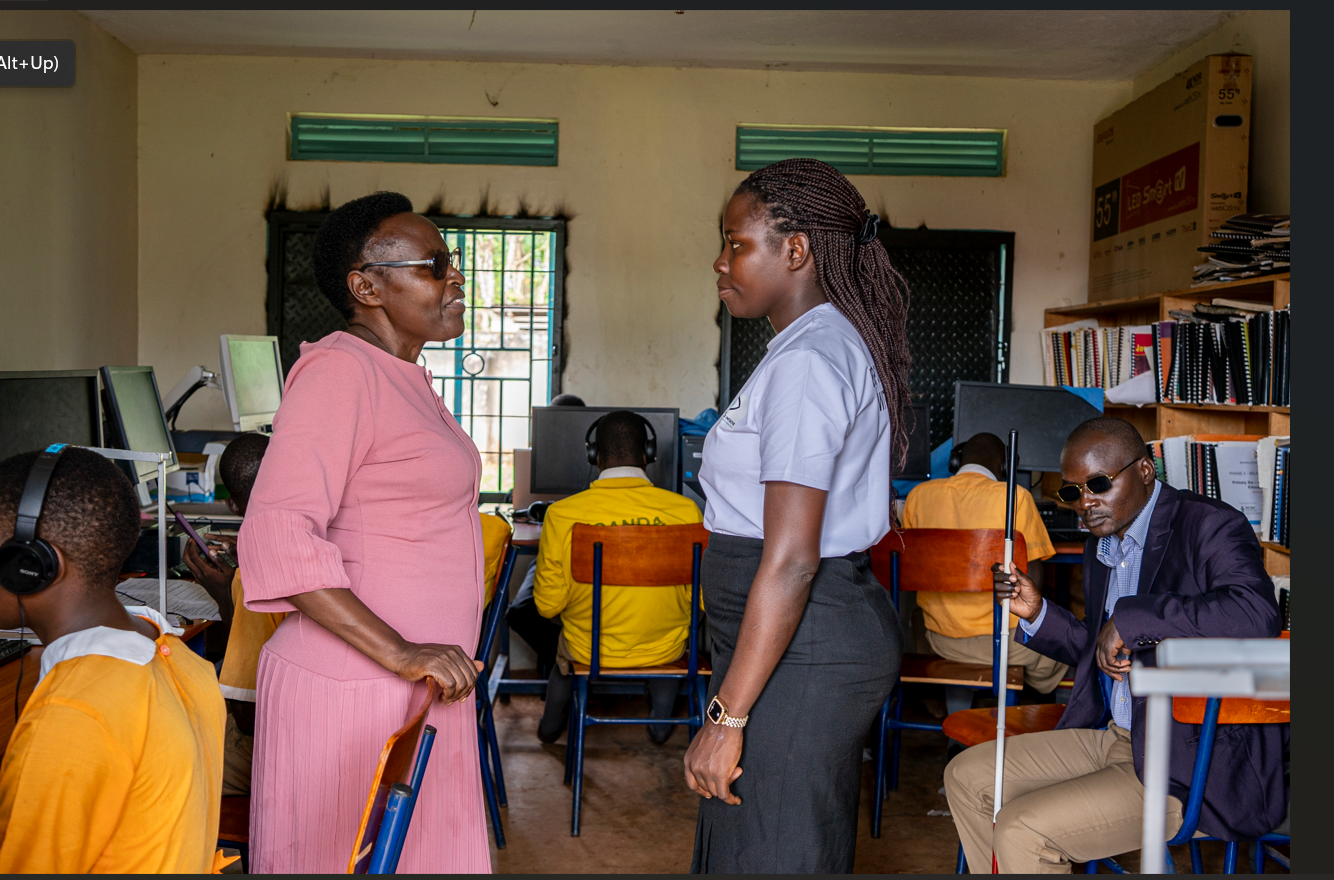
Recalling their first encounter with this technology, Ssebadduka Dorothy, the headteacher of Salama School for the Blind, remembers the weight of the challenge they faced daily.
"The children enrolled at the school who are either blind or have low vision have been struggling to read the textbooks because having reading material translated into braille was costly for us," she explains.
For a school with limited resources, producing Braille versions of textbooks was simply unaffordable. Students were left to rely on others such as teachers, volunteers, or classmates to read aloud. Their access to knowledge was always filtered through someone else's voice.
"So, when Mrs. Nakajje introduced the idea of reading using a smart device, that meant improving access to learning for our students," Dorothy says.
That introduction marked the beginning of a quiet revolution at the school.
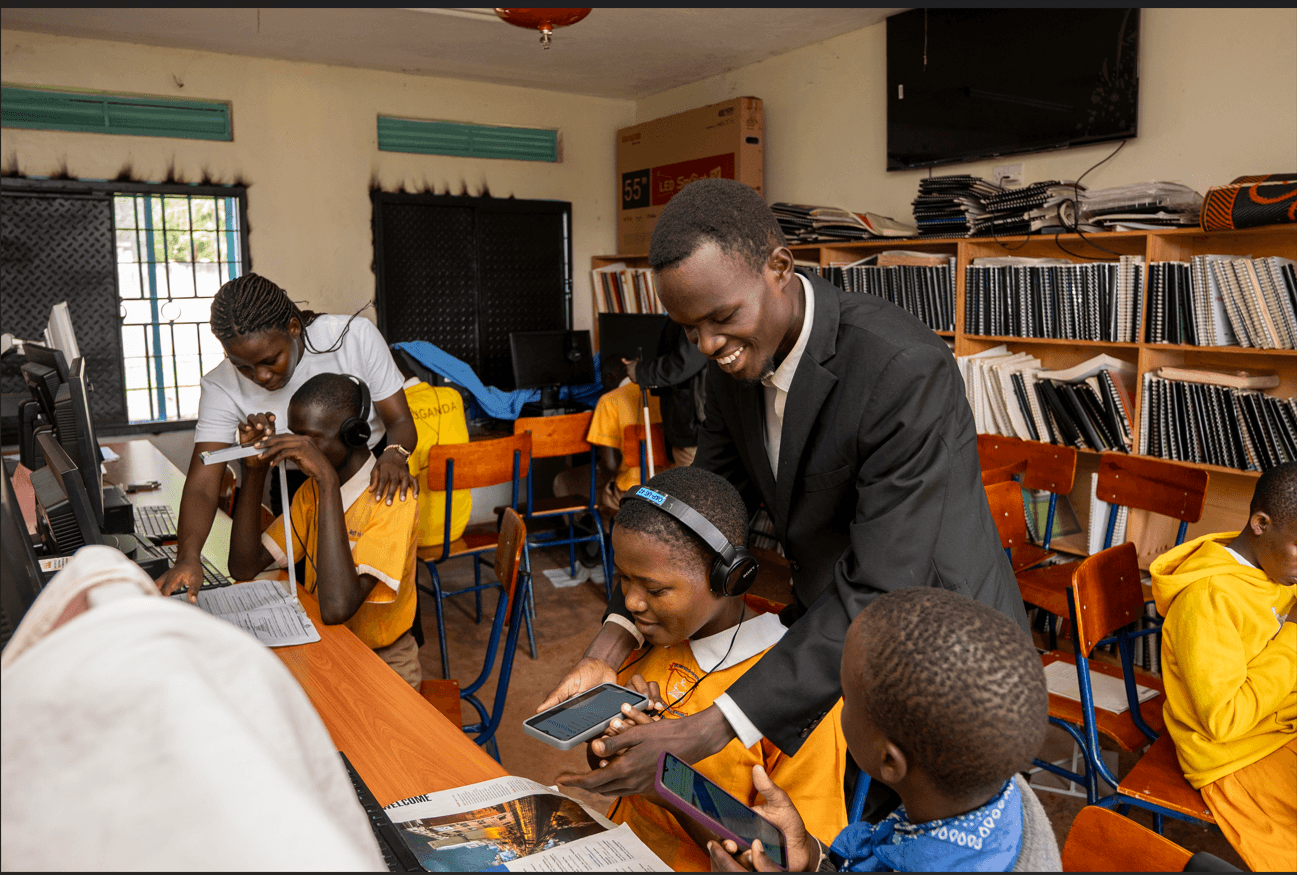
Through a partnership with the Visual Assistance Initiative and its innovative Blind Assistant application, Salama School for the Blind received 25 smartphones for learners and 10 for teachers, especially those with visual impairments themselves. Each device came equipped with technology that scans printed text and reads it aloud, instantly transforming inaccessible pages into streams of spoken knowledge.
"The impact has been immediate and profound as part of our learning syllabus," Ssebadduka explained.
An Innovation Inspired by Real Struggles
Behind the technology is a story of lived experience and deep empathy.
According to Nakajje Susan, Founder of the Visual Assistance Initiative, the idea for the Blind Assistant application started with an unexpected conversation at church.
"We encountered a visually impaired colleague who shared the challenges he faced throughout his education," Susan recalls. "He told us how difficult it was during exams. He had to wait for long hours for papers to be converted into Braille. And most of the time he had to depend on someone else to read and translate for him."
The story sparked deeper curiosity. Nakajje and her team carried out needs assessments across communities and schools serving visually impaired learners and discovered that the challenge was not isolated.
"We realized the problem was not just with one person but everywhere," Nakajje says. Determined to create a solution, the team developed the Blind Assistant application, a platform that allows visually impaired users to scan printed text using a smartphone and instantly hear it read aloud. But the approach goes beyond simply distributing devices. The team trains teachers, learners, and support staff on how to navigate smartphones and use the application effectively.
"After the training, we leave them with smartphones equipped with the application so they can read on their own," Nakajje explains.
Innovation Supported by Women in Technology
As Nakajje rolled out the technology across six schools, new challenges also emerged, particularly around scaling the technology and ensuring enough devices for learners.
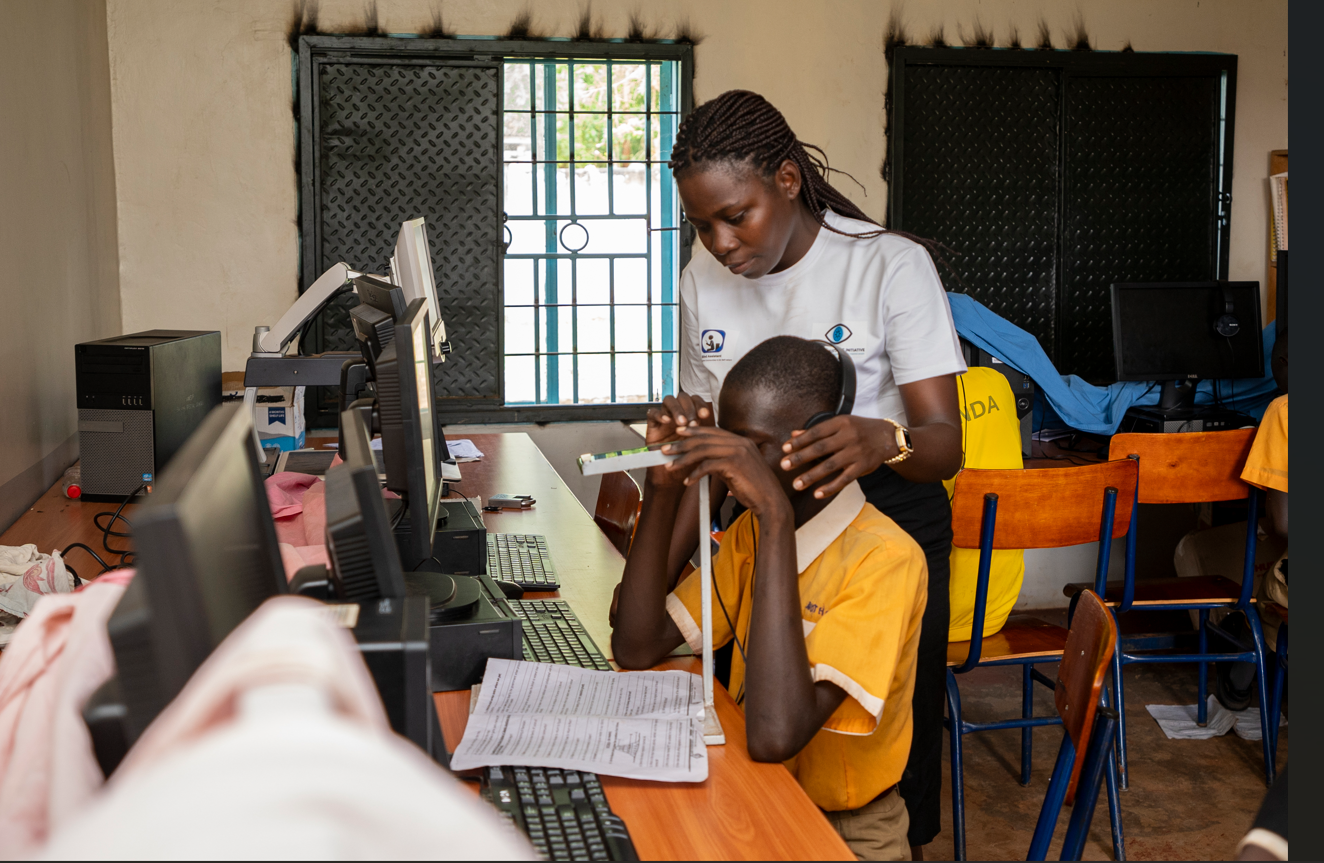
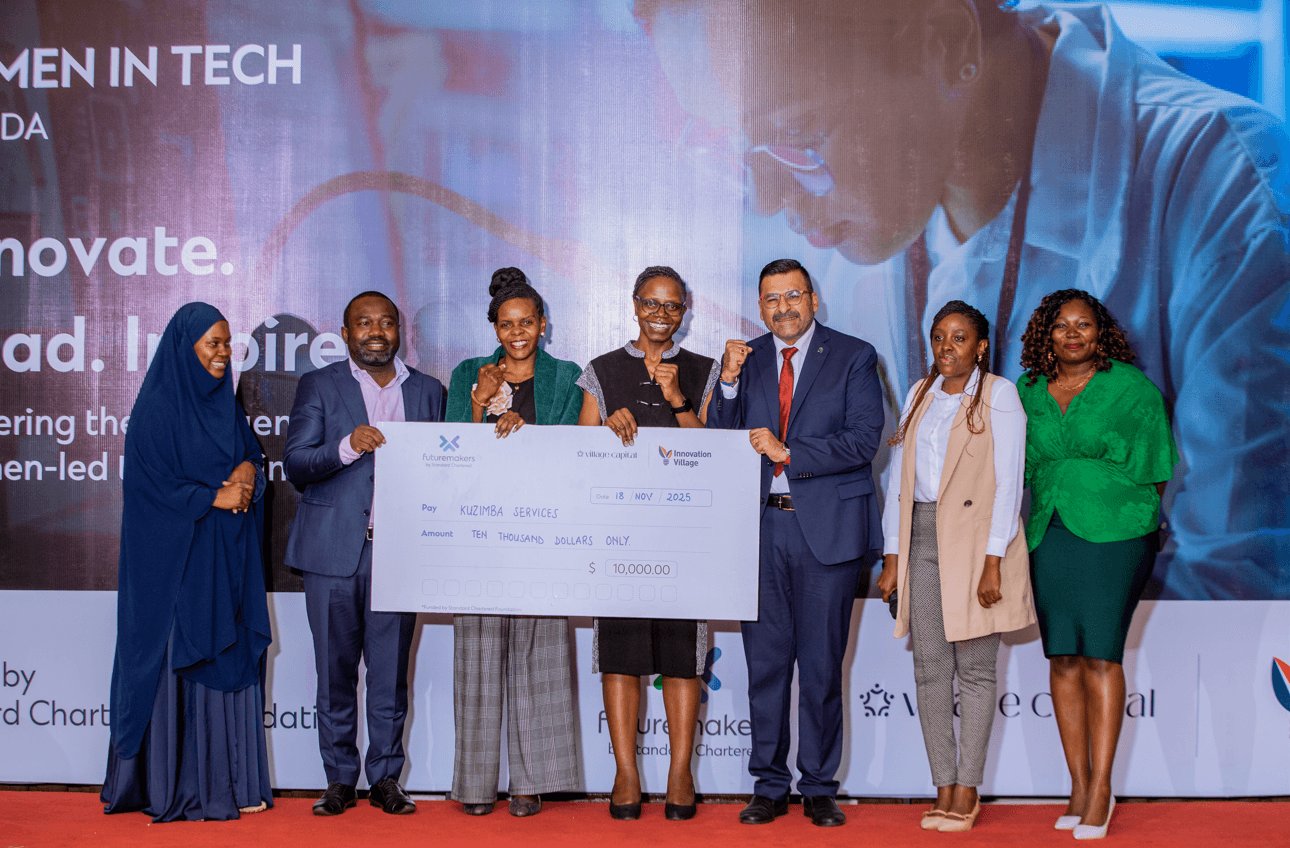
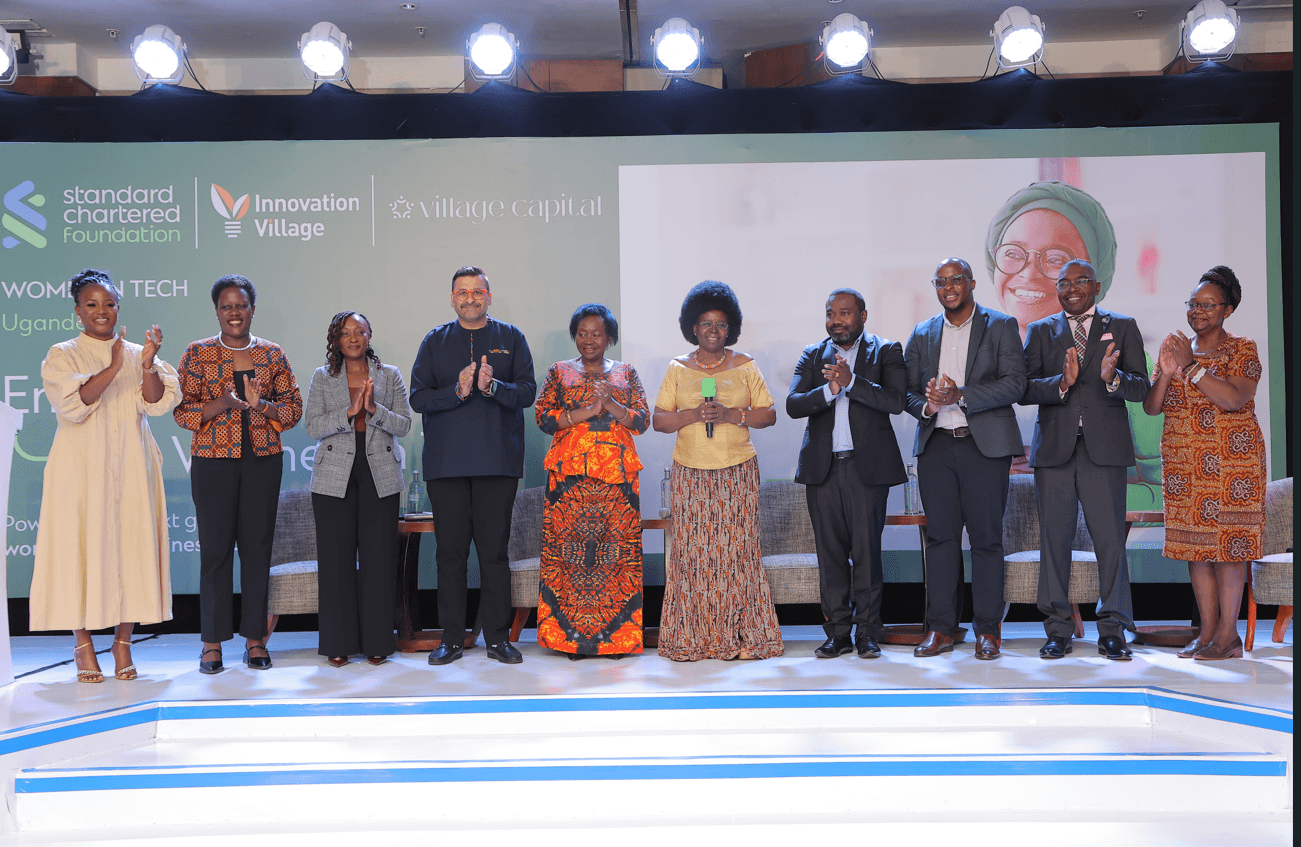
This motivated her to apply to the Standard Chartered Foundation Women in Technology Program, a transformative initiative designed to empower women-led tech and tech-enabled businesses. The program equips women entrepreneurs with business training, mentorship, and seed funding, helping create a thriving ecosystem of women-led ventures driving innovation and economic development.
The Visual Assistance Initiative aligned closely with the program's goals. Led by a women co-founder, the startup combines technological innovation with measurable social impact. So far, the initiative has reached more than 1,000 visually impaired learners, caregivers, and teachers across six schools in Uganda, delivering assistive technology kits priced at approximately USD 200, making them accessible to underserved communities.
With successful pilot projects, institutional partnerships, and a roadmap to deploy 5,000 kits across East Africa, the venture is demonstrating both strong traction and scalable impact. Its focus on localized technology, digital literacy training, and women's leadership in product development positions it as a promising model for inclusive innovation.
Despite progress, access to assistive technology for visually impaired learners in Uganda remains limited. With over 400,000 people who are blind and more than one million living with visual impairments, demand for devices far exceeds supply. Although the Visual Assistance Initiative has introduced the technology in several schools, many learners still lack access. The initiative aims to expand nationwide so more students can independently access printed learning materials.
Building an Inclusive Future
For the innovators behind the project, the goal goes far beyond improving access to textbooks. By equipping visually impaired learners with digital literacy skills, the program aims to create long-term ripple effects in communities. Learners who gain independence today will carry those skills with them and share them with others.
"When these learners return to their communities, they will share what they have learned," Susan says. "They will help others who did not have the same opportunity."
And for young innovators hoping to build impactful solutions of their own, she offers simple advice drawn from years of experience: "Don't just focus on the solution you want to build. Focus on the problem you are solving and always think about inclusivity."
The Sound of Progress
Back at Salama School for the Blind, the transformation can be heard in small moments throughout the day. A learner scanning a page. An artificial intelligence voice reading a chapter aloud. A child choosing what and when to study without waiting for help.
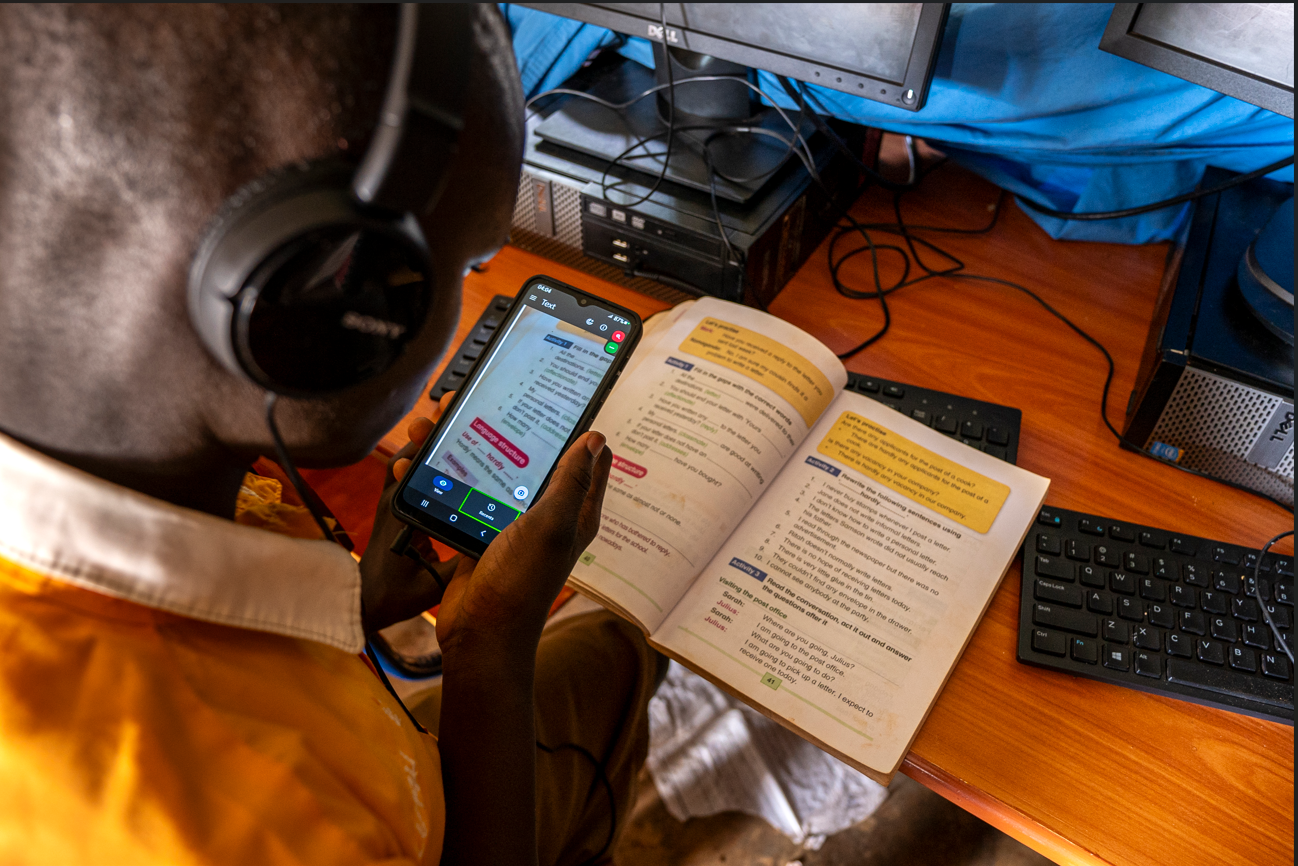
For the first time, many learners can pick up a printed book, scan its pages, and listen as the words come to life, on their own terms.
The sound of turning pages no longer carries frustration. Instead, it carries possibility. It carries independence. It carries the quiet power of a child discovering that knowledge, once locked behind print, is finally within reach.